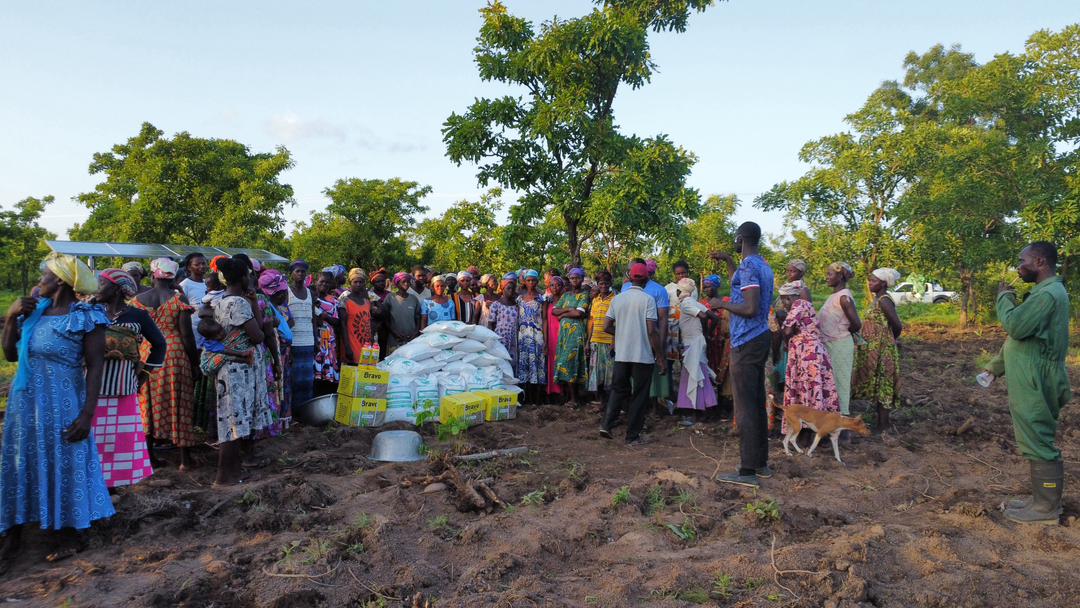
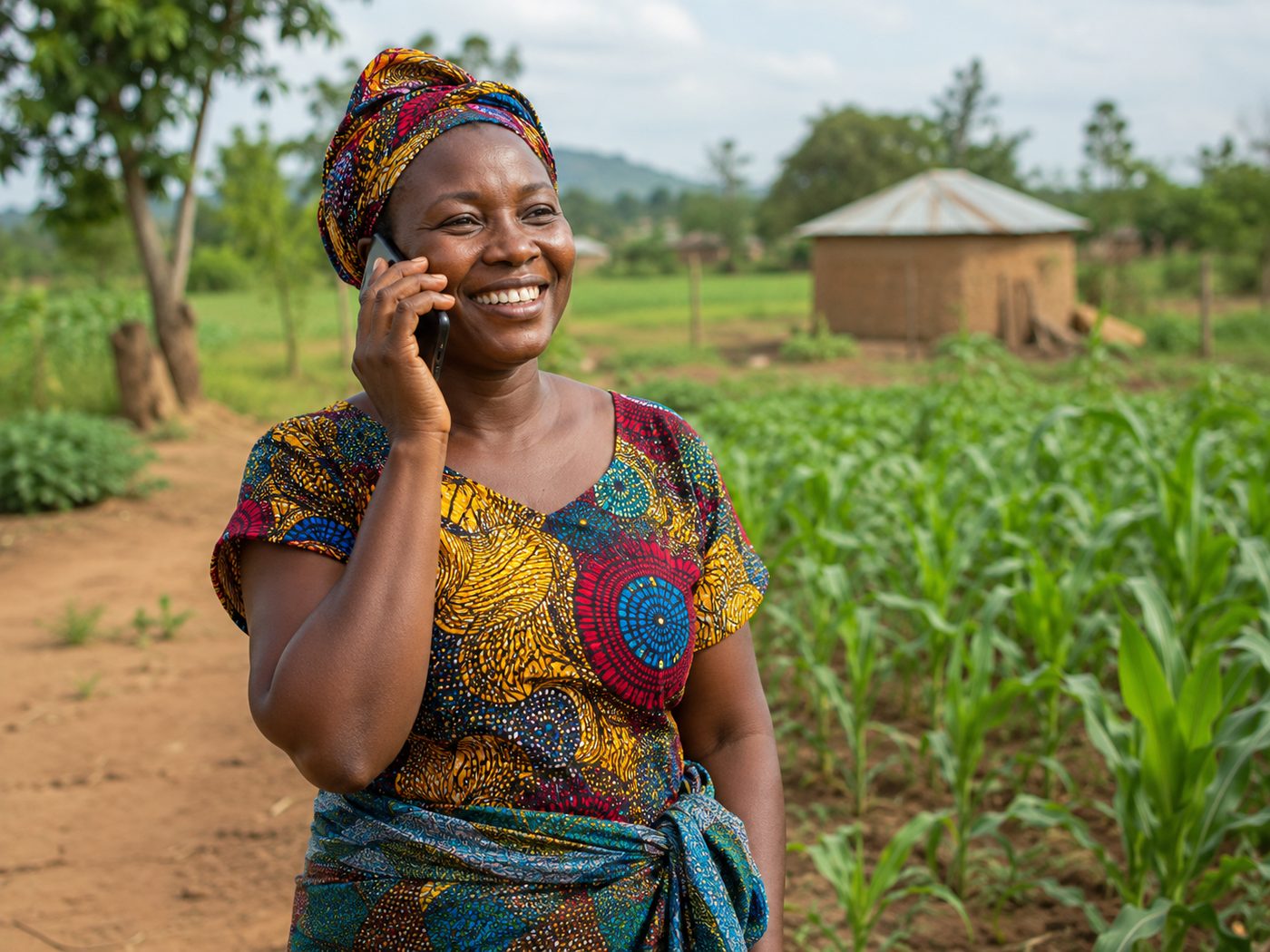
Long before any of this ran on a telephone network, the continent already had a protocol for it. You approach a home and you do not simply walk in. You call out, Hodi. From somewhere inside, the answer comes back, Karibu. Welcome. Come.
The same word serves at a well before you draw water, and in a crowd before you press through. In every case it asks one question, may I come nearer, and in every case it waits for an answer before it moves.
Two words, and a complete handshake. Permission asked and permission given, and only then does the real business begin. Nobody is walked in on. Nobody is spoken to who has not first agreed to listen, and the one inside is given their turn to speak.
That is the whole design of this platform, and it is why we have named it for them. Most messaging services in our sector are very good at Hodi and have no Karibu at all. They speak to communities at scale, in the right language, and then they stop. The community is left with no way to answer.
The answer is the half we refuse to leave out.
We are a Ghanaian firm and we have taken a Swahili name deliberately. Kiswahili is the most widely spoken language on the continent and a working language of the African Union, and the courtesy it describes is practised from Tamale to Tanga under one name or another. The problem this platform addresses does not belong to one country, so neither should the word for it.